Malaysia has a well-established logistics sector supporting manufacturing, international trade and regional supply chains. As the industry continues to develop, logistics companies are increasingly using digital platforms, integrated systems and data-driven tools to improve operational efficiency and shipment visibility.
Digitalisation has long been recognised as an important part of Malaysia’s logistics development. The country’s Logistics and Trade Facilitation Masterplan identified technology adoption and human capital development as key areas for improving the productivity and competitiveness of the logistics sector. Ministry of Transport Malaysia
Against this backdrop, the term “digital freight forwarder” has become increasingly common. Digital freight forwarders perform the same fundamental role as traditional freight forwarders—arranging and managing international transportation—but place greater emphasis on digital platforms, online customer interfaces and centralised shipment data.
This article explains what a digital freight forwarder is, how it differs from a traditional freight forwarder, and how the roles of sales and operations professionals are changing in a more digitalised forwarding environment.
What Is a Digital Freight Forwarder?
A digital freight forwarder is a freight forwarding company that uses digital platforms and technology as a central part of its service delivery and operations.
Like a traditional freight forwarder, it arranges international transportation by coordinating with shipping lines, airlines, trucking companies, warehouses and other logistics partners.
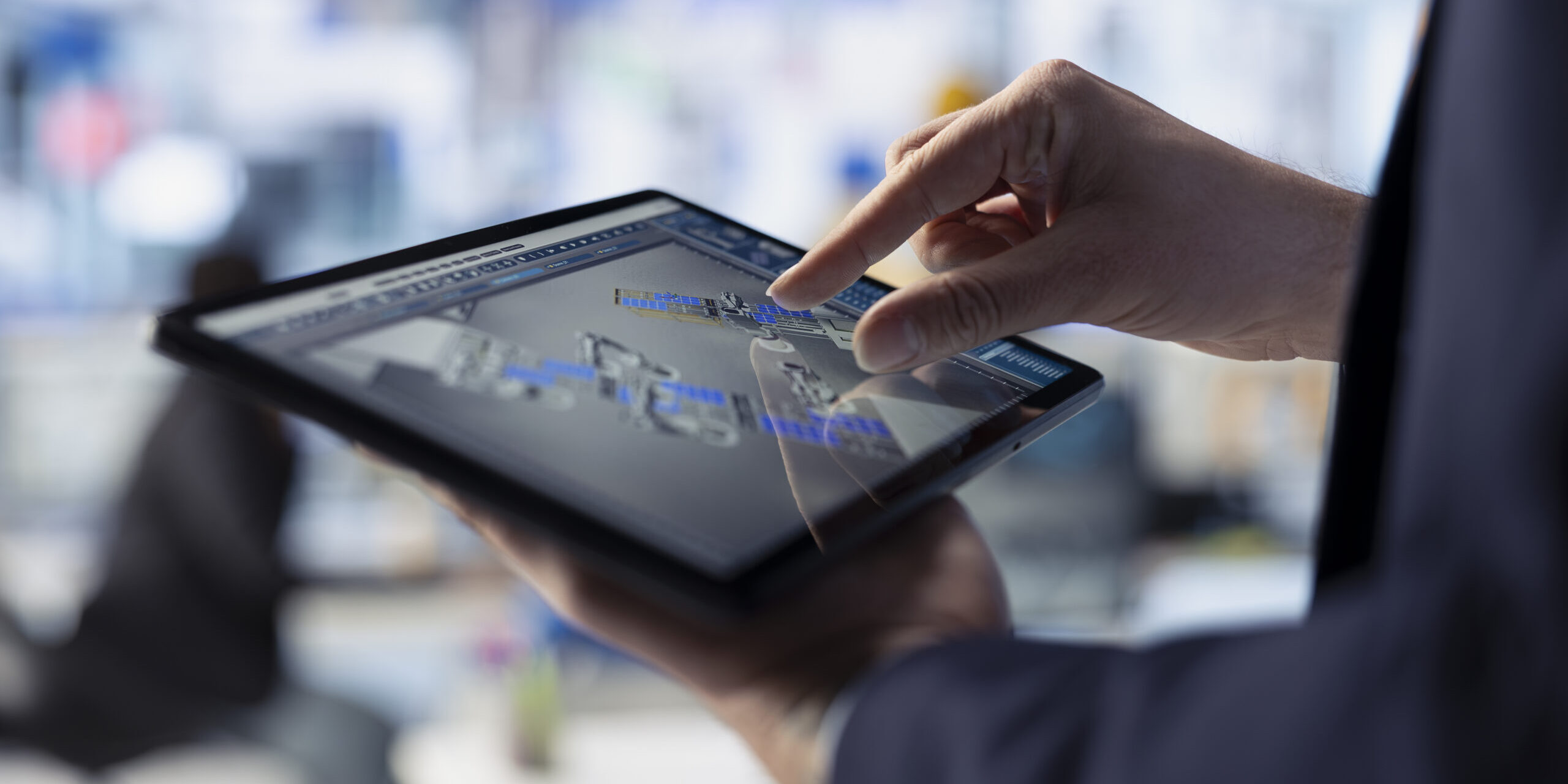
The main difference is how customers and employees access and manage information. Digital freight forwarders typically provide online platforms or customer portals that allow customers to perform tasks such as:
- Requesting or obtaining freight quotations
- Booking or requesting shipments
- Checking shipment status
- Managing shipping documents
- Reviewing previous shipments
- Accessing shipment data in one place
This can reduce the need to rely on individual emails, phone calls or spreadsheets for routine shipment information.
However, digital freight forwarding does not mean that all communication is automated. For transport disruptions, complex shipping requirements or special customer requests, account managers and operations teams still play an important role in coordinating solutions and providing advice.
Key Differences from Traditional Freight Forwarders
The fundamental forwarding function remains largely the same, but the way information is managed and shared can be different.
| Item | Traditional Freight Forwarder | Digital Freight Forwarder |
|---|---|---|
| Quotation | Often requested by email or phone | Frequently available or requested online |
| Shipment Arrangement | Coordinated mainly through individual staff | Some processes can be managed through a digital platform |
| Shipment Tracking | Customers may contact the forwarding team for updates | Shipment status can often be viewed through a dashboard |
| Document Management | Email, shared folders or internal systems | Documents can be centrally managed online |
| Customer Communication | Mainly handled by individual account managers | Combination of digital platform and account manager |
| Data Management | Often managed through Excel or separate systems | Shipment data can be accumulated and visualised centrally |
The distinction is becoming less clear as traditional freight forwarders continue to invest in digital systems and customer platforms.
For this reason, “digital freight forwarder” is not necessarily a completely separate category of business. Rather, the term is often used for freight forwarders whose service model is designed around digital platforms, data visibility and online customer interaction.
Digital Freight Forwarder vs Logistics SaaS
Digital freight forwarders and logistics SaaS providers are sometimes confused, but their primary roles are different.
A logistics SaaS provider mainly provides software or digital tools to shippers, freight forwarders or other logistics companies. These systems may support functions such as transportation management, shipment visibility, warehouse management, documentation or data analysis.
A digital freight forwarder, on the other hand, actually provides freight forwarding and international transportation services.
Some companies may operate across both areas, so the boundaries can overlap.
How Are Sales and Operations Roles Changing?
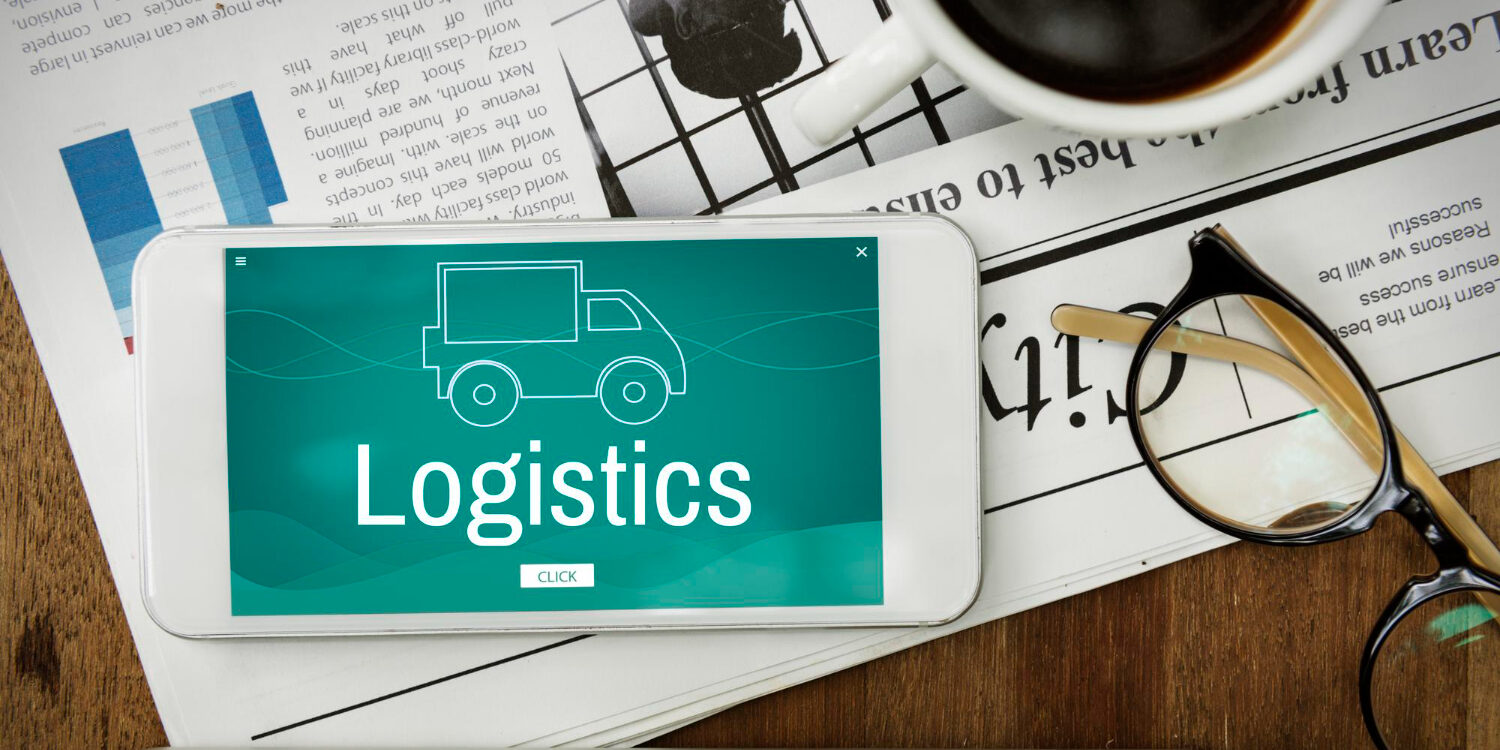
Digitalisation changes how freight forwarding professionals spend their time, but it does not remove the need for sales and operations roles.
Instead, some routine administrative work becomes more systemised, while employees increasingly focus on coordination, customer support, problem-solving and the use of shipment data.
Differences in Daily Operations
In a traditional forwarding environment, operations staff may spend significant time exchanging emails, manually updating shipment information and responding to routine status enquiries.
In a digital forwarding environment, some of this information may already be available through the company’s platform.
Operations staff may therefore spend more time on:
- Managing exceptions and shipment disruptions
- Coordinating complex transportation arrangements
- Ensuring shipment data is accurate
- Communicating with carriers and logistics partners
- Supporting customers when situations cannot be resolved through the platform
The operational knowledge required remains important. Digital systems support the work, but they do not replace knowledge of international transportation and forwarding processes.
Differences in Customer Communication
Sales and account management also change in a digital environment. Customers may no longer need to contact their account manager every time they want to check shipment status, download a document or review shipment history.
This means customer-facing staff can focus more on higher-value activities such as:
- Understanding customer supply chain requirements
- Proposing transportation solutions
- Reviewing shipment performance
- Supporting complex or urgent cases
- Identifying opportunities for process improvement
The relationship with the customer therefore becomes less focused on simply providing information and more focused on consultation and problem-solving.
Differences in Tools and Systems
Traditional freight forwarding professionals may already use multiple internal systems, email and spreadsheets in their daily work. Digital freight forwarders tend to place greater emphasis on integrated platforms, customer portals and centralised shipment data.
Employees may therefore need to work with:
- Transportation management systems
- Customer-facing shipment platforms
- Online quotation and booking tools
- Shipment tracking dashboards
- Cloud-based document management systems
- Data reporting and analytics tools
The key difference is not simply the number of systems used, but how closely these tools are integrated into daily operations and customer service.
What Skills Are Required in a Digital Freight Forwarding Environment?
Traditional freight forwarding knowledge remains highly valuable. Understanding international transportation, documentation, carriers, shipping schedules, customs-related processes and customer requirements continues to form the foundation of the job.
At the same time, digital forwarding environments can place greater emphasis on several skills and capabilities.
Digital Adaptability
Employees need to be comfortable adapting to new systems and changing workflows.Advanced IT or programming skills are not necessarily required. More important is the ability to understand how digital tools fit into daily forwarding operations and use them effectively.
Data Utilisation
When shipment information is stored centrally, companies can analyse data such as shipping volumes, lead times, transport costs and service performance.
Sales and operations professionals may increasingly use this information to identify trends, explain issues and propose improvements to customers. The ability to interpret data and apply it to practical logistics decisions can therefore become an important skill.
Problem-Solving
Digital platforms can simplify routine processes, but international logistics still involves disruptions, delays and unexpected changes.
Professionals who can understand a problem, coordinate multiple parties and find practical solutions remain highly valuable.
Customer Communication
Even in a highly digital environment, customers still need human support for complex situations.
The ability to explain logistics issues clearly, understand customer requirements and provide appropriate solutions remains essential.
Can Traditional Freight Forwarding Experience Still Be Applied?
Yes. Experience from a traditional freight forwarder remains highly relevant in a digital forwarding environment.
Knowledge of shipping operations, carrier coordination, documentation, pricing, customer management and international transportation continues to form the foundation of the job.
The main difference is how this knowledge is applied. Professionals may work through more integrated systems, use structured shipment data more frequently and rely less on manual communication for routine tasks.
For experienced forwarding professionals, digital freight forwarding therefore represents an evolution of the role rather than a completely different career path.
Conclusion
Digital freight forwarders provide the same core forwarding services as traditional freight forwarders, but use digital platforms, centralised data and online customer tools more extensively in how those services are delivered.
For logistics professionals, this means that traditional forwarding knowledge remains important, while digital adaptability and the ability to use shipment data are becoming increasingly valuable.
As digitalisation continues across Malaysia’s logistics sector, professionals who can combine traditional forwarding expertise with digital capabilities may be well positioned for future career opportunities.